Your vehicle’s exterior does more than create its overall appearance. The body panels, bumpers, doors, and other exterior components form part of the vehicle’s overall structure and may contain important mounting points or safety-related components. When a vehicle sustains damage, understanding the type and extent of that damage is an important first step toward deciding what to do next.
A minor parking-lot scrape may look very different from damage caused by a collision, but even damage that appears cosmetic can sometimes conceal a more significant problem. Knowing what to look for can help you decide when to seek an assessment and what questions to ask before arranging repairs.
For drivers looking for auto body repair in Albany, NY, Island Collision Inc offers a local point of contact to discuss vehicle damage and ask about available automotive services. Located at 183 Spring Street, Albany, NY 12203, the business serves Albany and surrounding communities within an approximately 50-mile radius.
What Is Auto Body Repair?
Auto body repair focuses on addressing damage to a vehicle’s exterior body components. Depending on the vehicle and the nature of the damage, this may involve dents, scratches, damaged panels, bumper damage, or other exterior concerns.
The appropriate repair depends on several factors, including the material of the affected component, the location of the damage, the vehicle’s construction, and whether underlying components have also been affected.
Not every dent requires the same approach. A small dent in an accessible panel may be treated differently from a deep crease, a cracked bumper, or damage near a door opening. Likewise, a surface scratch may require a different process from paint damage that extends through multiple layers of the finish.
An assessment helps establish what needs attention and whether the damage is limited to the visible exterior.
1. Common Types of Vehicle Body Damage
Vehicles can sustain exterior damage in a variety of everyday situations. Understanding the differences can help you describe the problem more accurately when discussing repair options.
Dents and Dings
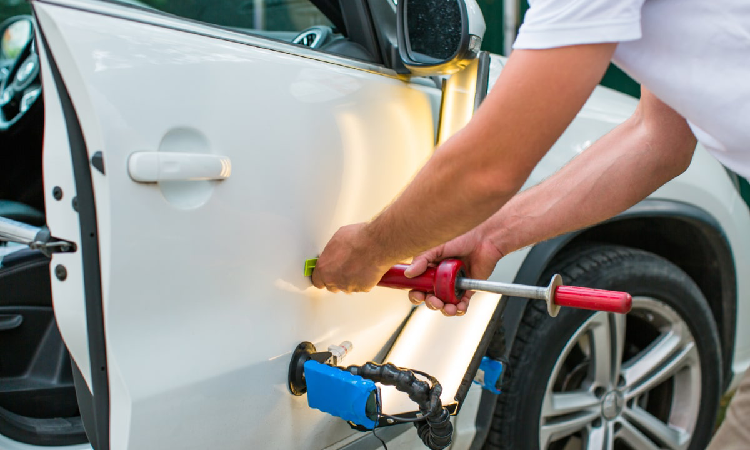
Dents can occur when another vehicle makes contact with a parked car, when a door strikes a nearby object, or when an object hits the body panel. Small dents may affect appearance without immediately changing how the vehicle operates.
However, the size of a dent does not always reveal the full extent of the damage. Creases, stretched metal, damaged paint, or a dent near a panel edge may require a more detailed assessment.
Scratches and Scuffed Paint
Scratches can range from superficial marks to damage that exposes the underlying primer or metal. Light scuffs may affect only the surface finish, while deeper scratches may require more extensive refinishing.
Before attempting a do-it-yourself repair, it is worth determining how deeply the paint has been affected. Using an unsuitable polishing product or abrasive method may make some damage more noticeable.
Bumper Damage
Bumpers can develop scuffs, cracks, dents, or loose mounting points after contact with another object. Modern bumper assemblies may also incorporate sensors and other components, depending on the vehicle.
A bumper that looks mostly intact can still have damaged mounts or hidden components. After an impact, consider having the affected area assessed rather than relying only on its outward appearance.
Damaged Body Panels
Doors, fenders, quarter panels, and other body panels may be bent, creased, or misaligned after an impact. Panel damage can sometimes affect gaps between components, door operation, or the fit of nearby trim.
If a door no longer closes properly or body panels appear out of alignment following a collision, the issue deserves attention. The repair approach will depend on the type of panel and the extent of the damage.
2. Why You Should Not Ignore Collision Damage
After an accident, it is understandable to focus on the most visible damage. A dented fender, scratched door, or cracked bumper may seem like the only issue. However, an impact can sometimes affect components behind the exterior panel, including mounting points, brackets, sensors, or structural elements.
This is particularly important when the collision was significant or when you notice unusual gaps, difficulty opening or closing doors, leaking fluids, warning lights, or changes in how the vehicle drives. These signs do not confirm a specific fault, but they indicate that further assessment may be necessary.
If there is a possibility of structural damage or a safety-system issue, the vehicle should be evaluated by an appropriately qualified repair professional. Do not assume that repainting or replacing a visible panel alone will address all the consequences of an impact.
3. How the Auto Body Repair Process Generally Works
The exact repair process varies by vehicle and damage type, but understanding the general stages can make the experience easier to navigate.
Step One: Assess the Visible Damage
The process generally begins with examining the affected area. This may include looking at the damaged panel, paint condition, panel gaps, bumper alignment, and nearby components.
If the vehicle was involved in a collision, the assessment may need to go beyond the visibly damaged area. Additional inspection can help identify problems that are not immediately apparent.
Step Two: Determine the Appropriate Repair Approach
Once the damage has been assessed, the next step is to establish what type of work may be required. Depending on the findings, options might include repairing a panel, replacing a damaged component, addressing paint damage, or arranging additional diagnostic inspection.
The appropriate option depends on the vehicle, the type of damage, parts availability, and any applicable manufacturer requirements. Ask for an explanation of the recommended work before authorizing repairs.
Step Three: Address Body and Surface Damage
Depending on the agreed repair plan, work may involve reshaping a repairable panel, replacing a damaged component, or preparing a surface for refinishing.
Different materials and vehicle designs require different methods. For this reason, the repair should be appropriate for the affected component rather than based only on the appearance of the damage.
Step Four: Paint and Finish Considerations
When body repairs affect the painted surface, refinishing may be necessary to restore a consistent appearance. Matching the existing finish can depend on the paint code, vehicle age, paint condition, and other factors.
Some repairs require careful preparation and blending into adjacent areas. The specific refinishing approach depends on the vehicle and the scope of the repair.
Step Five: Review the Completed Work
Before considering the job complete, ask what areas were repaired, whether any parts were replaced, and whether the work included any necessary checks related to the original damage.
If the vehicle experienced a substantial collision, confirm that any relevant safety-related inspections and repairs have been addressed by qualified professionals.
4. How Auto Body Repair and Auto Paint Work Differ
Auto body repair and automotive paintwork are closely related, but they address different aspects of vehicle damage.
Auto body repair generally focuses on damaged or distorted exterior components. This may include dents, creases, damaged panels, and bumper-related concerns.
Auto paintwork focuses on the vehicle’s finish. It may involve preparing a surface, addressing paint damage, and applying refinishing products when appropriate.
Some jobs require both services. For example, a dent that has cracked or chipped the paint may need bodywork followed by refinishing. A superficial scratch, on the other hand, may require a different approach if the underlying panel is undamaged.
Understanding this distinction helps you ask more useful questions when discussing a repair estimate. Instead of assuming that every scratch requires repainting or that every dent can be removed without refinishing, ask what the assessment indicates.
5. What to Do After a Minor Accident
Even a low-speed collision can leave damage that is difficult to evaluate at the scene. Taking a few sensible steps can help you handle the situation more effectively.
- Prioritize safety: Move to a safe location if possible, check for injuries, and contact emergency services when necessary.
- Document the damage: Take clear photographs of the affected areas and the surrounding scene when it is safe and appropriate.
- Exchange information: Follow applicable local requirements and exchange relevant details with the other parties involved.
- Watch for warning signs: Pay attention to leaking fluids, loose components, warning lights, unusual noises, or changes in handling.
- Contact your insurer when appropriate: Review your policy and ask about any documentation or claim requirements.
- Arrange an assessment: Discuss the visible damage with a repair professional and ask whether further inspection may be needed.
If the collision may have affected steering, braking, structural integrity, or other safety-critical systems, do not continue driving until the vehicle has been assessed and is safe to operate.
6. Questions to Ask Before Choosing an Auto Body Shop
Choosing where to take your vehicle is an important decision. A clear conversation before repairs begin can help you understand the proposed work and avoid confusion.
Consider asking the following questions:
What damage have you identified?
Ask which areas appear damaged and whether the inspection identified any concerns beyond the visible exterior. If further inspection is required, clarify what it involves.
Which repairs are recommended?
Ask whether the damaged panel can be repaired or whether replacement may be necessary. Request an explanation of why the proposed approach is appropriate for your vehicle.
Is refinishing included?
If the paint has been damaged, ask whether paint preparation, refinishing, and any necessary blending are included in the proposed work.
What does the estimate cover?
Review labor, parts, materials, and any additional charges that may apply. Ask how changes to the repair plan will be communicated and approved.
Are there any limitations or warranty terms?
If a warranty is offered, request its terms in writing. Coverage may differ according to the type of work, parts used, and the repair provider’s policies.
These questions can help you compare repair options and understand what you are authorizing.
7. Why Local Auto Body Repair Matters in Albany, NY
When your vehicle needs attention, working with a local business can make communication and follow-up more convenient. Drivers in Albany may also travel to nearby communities for work, family commitments, and everyday errands, making access to automotive services an important consideration.
Island Collision Inc is located at 183 Spring Street, Albany, NY 12203, and serves Albany and surrounding areas within an approximately 50-mile radius.
Simon Mansingh and Mark McPherson bring more than 50 years of combined automotive experience. Island Collision Inc has been operating for six years, giving local drivers a point of contact for discussing vehicle damage and asking about available bodywork and related automotive services.
Before arranging a repair, confirm that the business offers the specific work your vehicle requires and ask whether additional inspection or specialist services may be necessary.